
Chemicals
Exploring New Psychoactive Substances (NPS): What Are They and Why Are They Important?
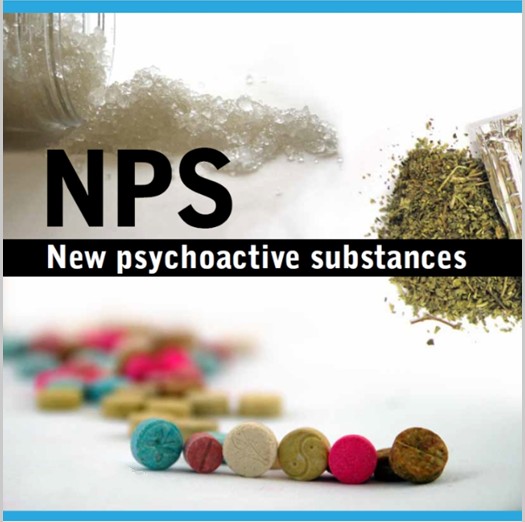
The field of psychoactive compound research continues to evolve as scientists explore new molecules, investigate their properties, and examine their potential applications. Among the most discussed areas in modern pharmacological and chemical research are New Psychoactive Substances (NPS). These compounds have attracted significant attention from researchers, policymakers, analytical laboratories, and public health organizations due to their rapid emergence and diverse chemical structures.
Understanding what NPS are, how they are developed, and why they matter is essential for anyone involved in scientific research, toxicology, analytical chemistry, or pharmacology. This article explores the fundamentals of new psychoactive substances, their scientific significance, and their role in advancing chemical and pharmacological knowledge.
What Are New Psychoactive Substances (NPS)?
New Psychoactive Substances, commonly referred to as NPS, are compounds designed to produce effects similar to those of established psychoactive substances while possessing distinct chemical structures.
The term “new” does not necessarily mean that the substance was recently discovered. In many cases, compounds may have been synthesized decades ago but only gained attention when they appeared in research settings or analytical investigations.
NPS can belong to a wide range of chemical families, including:
- Tryptamines
- Phenethylamines
- Lysergamides
- Dissociatives
- Synthetic cannabinoids
- Cathinones
- Piperazines
- Novel stimulants
Because of their structural diversity, NPS represent one of the most rapidly expanding areas of modern chemical research.

Why Are Researchers Interested in NPS?
New psychoactive substances provide valuable opportunities for scientific investigation.
Researchers study NPS for several reasons:
Understanding Receptor Activity
Many NPS interact with neurotransmitter systems in unique ways. By studying these interactions, scientists can gain deeper insights into how various receptors function within the nervous system.
Research in this area contributes to a better understanding of:
- Serotonin receptors
- Dopamine pathways
- Glutamate systems
- Endocannabinoid networks
- Neurochemical signaling mechanisms
Advancing Neuropharmacology
Novel compounds often serve as tools for investigating complex biological processes.
Researchers use these substances to explore:
- Brain function
- Cognitive mechanisms
- Behavioral responses
- Neural communication
- Pharmacological pathways
These investigations help expand scientific knowledge and support future discoveries in neuroscience.
Chemical Innovation
The study of NPS also drives innovation in synthetic chemistry.
Scientists continue developing and characterizing new molecular structures to better understand:
- Structure-activity relationships (SAR)
- Chemical stability
- Metabolic pathways
- Molecular binding characteristics
These findings contribute to broader advancements in medicinal chemistry and pharmaceutical research.
Major Categories of New Psychoactive Substances
Tryptamines
Tryptamines are compounds structurally related to naturally occurring molecules found throughout biological systems.
Research involving tryptamines often focuses on:
- Receptor binding behavior
- Neurochemical interactions
- Molecular pharmacology
- Structure-function relationships
Examples include:
- 4-HO compounds
- 4-AcO compounds
- MET analogs
- DPT analogs
Phenethylamines
Phenethylamines represent one of the largest categories of psychoactive research compounds.
Researchers study these molecules for their diverse interactions with neurotransmitter systems and their varied chemical modifications.
Research areas include:
- Pharmacodynamics
- Molecular structure optimization
- Analytical detection methods
Synthetic Cannabinoids
Synthetic cannabinoids interact with cannabinoid receptors and provide researchers with valuable tools for studying the endocannabinoid system.
Research objectives may include:
- Receptor selectivity
- Signal transduction
- Neurological function
- Comparative pharmacology
Dissociatives
Dissociative compounds are frequently examined in neuropharmacological research due to their interactions with glutamatergic systems.
Studies often investigate:
- NMDA receptor activity
- Cognitive processes
- Neural plasticity
- Pharmacological mechanisms
The Importance of Structure-Activity Relationships (SAR)
One of the most valuable aspects of NPS research involves understanding Structure-Activity Relationships (SAR).
SAR studies examine how small modifications to a molecule influence:
- Biological activity
- Receptor affinity
- Duration of action
- Metabolic stability
- Chemical properties
For example, changing a single functional group may significantly alter how a compound interacts with biological systems.
These insights help researchers better understand the relationship between molecular structure and pharmacological effects.
Challenges in Identifying New Psychoactive Substances
The rapid appearance of novel compounds presents unique analytical challenges.
Laboratories must continuously adapt their testing capabilities to identify emerging substances accurately.
Common analytical methods include:
High-Performance Liquid Chromatography (HPLC)
Used to separate and analyze compounds within complex mixtures.
Gas Chromatography-Mass Spectrometry (GC-MS)
Provides detailed identification of chemical components and impurities.
Nuclear Magnetic Resonance (NMR)
Allows researchers to confirm molecular structure and characterize unknown compounds.
Fourier Transform Infrared Spectroscopy (FTIR)
Useful for compound identification and comparison with reference materials.
As new compounds emerge, these analytical techniques become increasingly important for maintaining accurate chemical characterization.
Why Quality Matters in NPS Research
Because many NPS involve novel molecular structures, quality control is especially important.
Researchers should prioritize:
- Verified chemical identity
- High purity standards
- Batch consistency
- Reliable analytical documentation
- Transparent testing procedures
Poor-quality materials can compromise experimental outcomes and reduce confidence in research findings.
Working with reputable suppliers helps ensure that compounds meet established quality standards and are supported by appropriate analytical data.
The Role of Research Chemical Suppliers
Trusted research chemical suppliers play an important role in supporting scientific advancement.
Quality-focused suppliers contribute by providing:
- Detailed product information
- Certificates of Analysis (COAs)
- Batch-specific testing data
- Consistent quality control procedures
- Transparent sourcing practices
At Momarchem, quality assurance remains a central priority. Providing reliable research materials and detailed product documentation helps support researchers conducting analytical, chemical, and pharmacological investigations.
The Future of NPS Research
Interest in new psychoactive substances continues to grow as scientific understanding advances.
Several emerging trends are shaping the future of NPS research:
Improved Analytical Technologies
Advancements in analytical instrumentation allow researchers to characterize compounds more accurately than ever before.
Expanded Pharmacological Research
Scientists continue exploring how novel compounds interact with biological systems and what these interactions reveal about neurochemistry.
Greater Focus on Molecular Design
Researchers increasingly use computational chemistry and predictive modeling to investigate new structures before laboratory synthesis.
Enhanced Understanding of Neurobiology
The study of NPS continues to provide valuable insights into receptor systems, neurotransmission, and brain function.
These developments are expected to contribute significantly to future discoveries in chemistry, pharmacology, and neuroscience.
New Psychoactive Substances (NPS) represent one of the most dynamic and rapidly evolving areas of modern scientific research. By studying novel compounds, researchers can gain deeper insights into receptor activity, molecular pharmacology, chemical synthesis, and neurobiological processes.
From tryptamines and phenethylamines to synthetic cannabinoids and dissociatives, NPS continue to expand scientific understanding across multiple disciplines. As analytical technologies advance and research methodologies improve, these compounds will likely remain important tools for exploring the complex relationship between molecular structure and biological activity.
For researchers seeking high-quality materials supported by transparency and rigorous quality standards, Momarchem remains committed to supporting scientific investigation through reliable research chemical sourcing and quality-focused practices.