
Chemicals
How to Test and Verify Purity of Research Chemicals
Research chemicals play an important role in scientific studies, analytical testing, and laboratory research. Whether used in pharmacological investigations, chemical synthesis projects, or academic research, the quality and purity of a compound can significantly impact experimental outcomes. Understanding how to test and verify the purity of research chemicals is therefore essential for researchers seeking reliable and reproducible results.
In this guide, we’ll explore the importance of research chemical purity testing, common chemical analysis methods, and practical approaches to evaluating compound quality before use in a research environment.
Why Research Chemical Purity Matters
Purity refers to the percentage of a sample that consists of the intended chemical compound, free from contaminants, byproducts, solvents, or other impurities. Even small amounts of unwanted substances can influence experimental findings, affect chemical reactions, and reduce the reliability of scientific data.
High-purity research chemicals offer several advantages:
- More consistent and reproducible research results
- Improved accuracy in analytical studies
- Reduced risk of unexpected reactions
- Better understanding of a compound’s true properties
- Greater confidence in experimental conclusions
For researchers, verifying purity is not simply a quality control step—it is a critical component of sound scientific practice.
Understanding Certificates of Analysis (COAs)
One of the first documents researchers should review when evaluating a research chemical is the Certificate of Analysis (COA).
A COA typically provides information such as:
- Chemical identity
- Batch or lot number
- Purity percentage
- Analytical testing methods used
- Manufacturing date
- Quality control results
Reliable suppliers often provide COAs generated through laboratory testing to demonstrate the quality of their products. Researchers should carefully examine these documents and ensure that the testing methods used are appropriate for the compound being analyzed.
While a COA is an important starting point, independent verification may be necessary for critical research applications.
Common Chemical Analysis Methods
Several laboratory techniques are widely used for research chemical purity testing. Each method provides unique information about a compound’s composition and quality.
High-Performance Liquid Chromatography (HPLC)
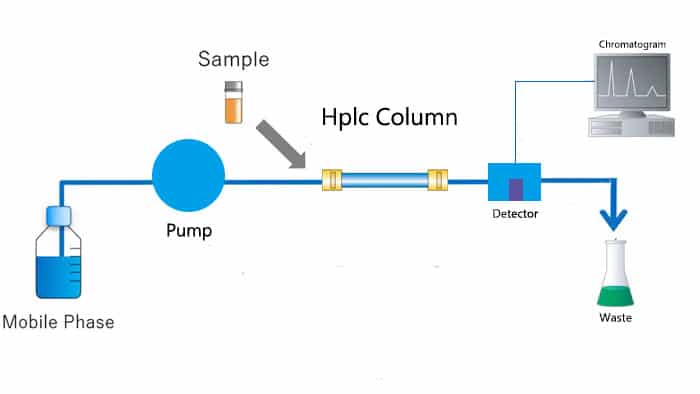
High-Performance Liquid Chromatography (HPLC) is one of the most widely used techniques for assessing chemical purity.
The process separates compounds based on their interactions with a stationary phase and a mobile solvent phase. This separation allows analysts to identify impurities and estimate purity percentages accurately.
Benefits of HPLC include:
- High sensitivity
- Excellent reproducibility
- Suitable for a wide range of compounds
- Effective impurity detection
Because of its reliability, HPLC is commonly used in pharmaceutical and research laboratories worldwide.
Gas Chromatography-Mass Spectrometry (GC-MS)
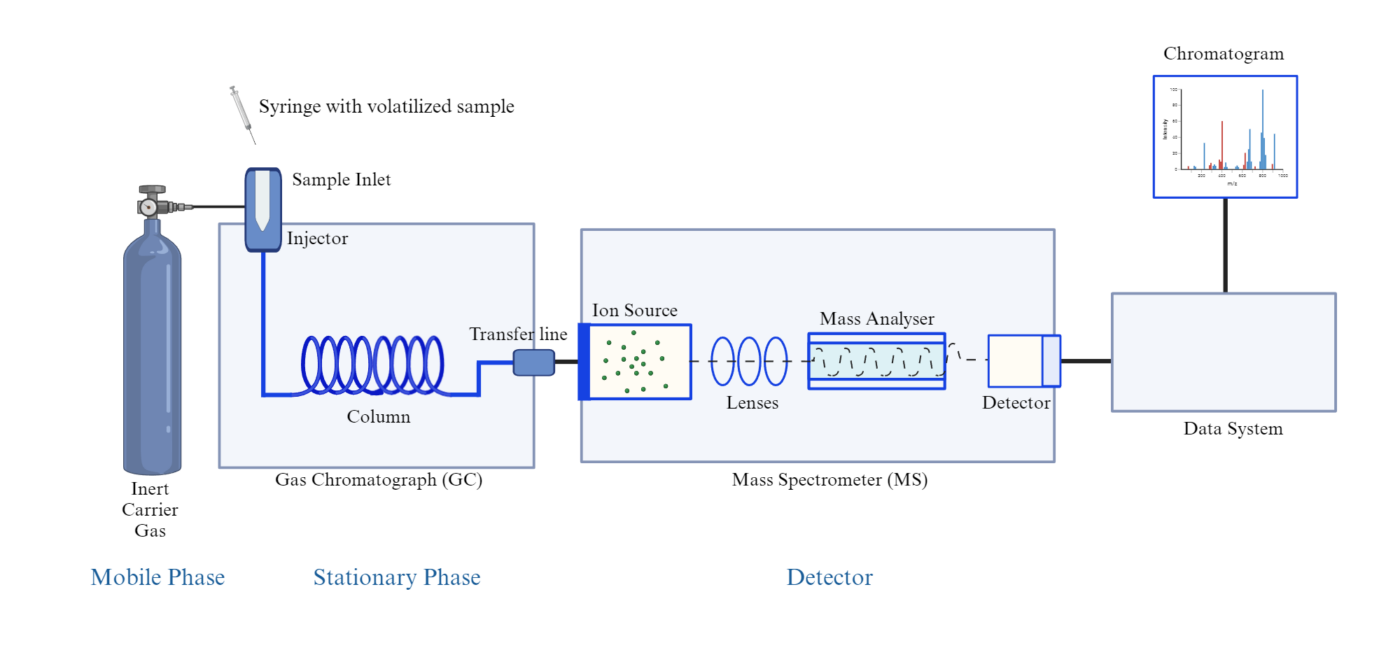
Gas Chromatography-Mass Spectrometry combines two analytical techniques into a powerful tool for chemical identification and purity assessment.
It separates individual components within a sample, while mass spectrometry helps identify each compound based on its molecular characteristics.
Advantages include:
- Detailed compound identification
- Detection of trace impurities
- High analytical accuracy
- Useful for volatile compounds
GC-MS is often considered one of the gold standards for chemical analysis methods.
Nuclear Magnetic Resonance (NMR) Spectroscopy
NMR spectroscopy provides detailed information about molecular structure and composition.
Researchers use NMR to:
- Confirm compound identity
- Detect structural impurities
- Analyze molecular arrangements
- Verify synthesis outcomes
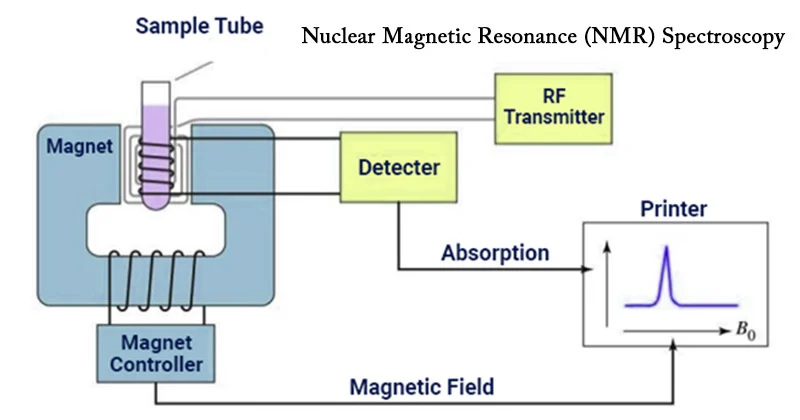
Although NMR requires specialized equipment and expertise, it remains one of the most valuable analytical tools in modern chemistry.
Infrared Spectroscopy (FTIR)
Fourier Transform Infrared Spectroscopy (FTIR) identifies compounds by measuring how molecules absorb infrared radiation.
FTIR can help researchers:
- Confirm chemical identity
- Detect contamination
- Compare samples with reference standards
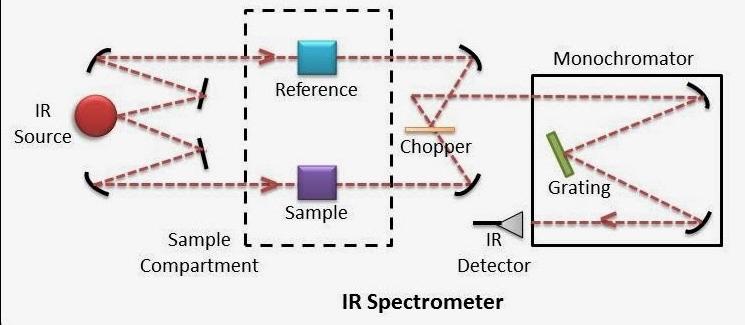
The technique is relatively fast and commonly used as a supplementary verification method.
Reagent Testing for Preliminary Screening
Reagent testing is often used as an initial screening method for evaluating research chemicals.
Because, Specialized chemical reagents react with specific compounds and produce characteristic color changes. These reactions can provide preliminary information about the presence of certain substances.
Common benefits of reagent testing include:
- Fast results
- Low cost
- Easy implementation
- Useful for initial verification
However, reagent testing has limitations. It cannot determine precise purity percentages and should not replace advanced laboratory analysis methods such as HPLC or GC-MS.
Researchers should view reagent testing as one component of a broader quality assessment process.
Visual Inspection and Physical Evaluation
Although laboratory testing provides the most reliable data, visual inspection can offer useful preliminary information.
Researchers may evaluate:
- Color consistency
- Crystal structure
- Powder texture
- Presence of visible contaminants
- Packaging integrity
Unexpected discoloration, unusual odors, or inconsistent appearance may indicate degradation or contamination.
However, visual inspection alone cannot determine purity and should never be relied upon as the sole verification method.
Storage Conditions and Chemical Stability
Purity can decline over time if research chemicals are stored improperly.
Factors that may contribute to degradation include:
- Exposure to heat
- Moisture
- Oxygen
- Ultraviolet light
- Repeated temperature fluctuations
Proper storage helps preserve chemical integrity and maintain purity throughout a compound’s lifespan.
Best practices include:
- Storing chemicals in airtight containers
- Maintaining recommended temperature ranges
- Protecting samples from direct light
- Minimizing exposure to air and humidity
Researchers should also monitor expiration dates and stability information provided by suppliers.
Choosing a Reliable Research Chemical Supplier
Supplier selection plays a significant role in obtaining high-quality materials.
When evaluating suppliers, consider:
- Availability of Certificates of Analysis
- Transparency regarding testing procedures
- Batch-specific documentation
- Quality control standards
- Reputation within the research community
- Consistency of product specifications
At Momarchem, quality assurance and transparency remain central priorities. Reliable sourcing, rigorous quality control procedures, and detailed product information help support researchers seeking dependable materials for scientific investigation.
Best Practices for Research Chemical Purity Testing
Researchers can improve confidence in their materials by following several best practices:
- Review Certificates of Analysis carefully.
- Verify supplier testing methods.
- Use multiple analytical techniques when possible.
- Maintain proper storage conditions.
- Document all testing and verification procedures.
- Monitor compounds for signs of degradation over time.
- Compare analytical results against established reference standards.
Combining these practices creates a stronger quality assurance framework and helps ensure the reliability of research findings.
Understanding how to test research chemicals and verify their purity is essential for maintaining scientific accuracy and reproducibility. From reviewing Certificates of Analysis to utilizing advanced chemical analysis methods such as HPLC, GC-MS, NMR, and FTIR, researchers have access to a variety of tools for evaluating compound quality.
While reagent testing and visual inspections can provide useful preliminary information, comprehensive laboratory analysis remains the most reliable approach for research chemical purity testing. By sourcing materials from reputable suppliers, following proper storage practices, and implementing robust verification procedures, researchers can improve confidence in their data and support more reliable scientific outcomes.
For laboratories and researchers seeking dependable research chemicals, Momarchem remains committed to providing quality-focused products supported by transparency, consistency, and rigorous quality standards.